
Research Peptide Testing Methods
Europe Peptide Labs utilizes advanced laboratory testing methods to verify peptide purity, identity, quality, and consistency. Every production batch undergoes comprehensive analytical testing before Certificate of Analysis (COA) documentation is issued.
View COA ReportsAdvanced Laboratory Testing
Quality testing is essential for producing reliable research peptides. Our analytical methods help verify purity specifications, batch consistency, and product identity throughout the manufacturing process.

Comprehensive Quality Verification
Every research peptide batch is carefully evaluated using established laboratory testing procedures. Analytical testing helps confirm product identity, verify purity, and support consistent manufacturing quality.
Documented quality control procedures, laboratory equipment, and production records help ensure transparency from manufacturing through final release.
Testing Methods We Use
Our laboratory quality assurance program includes multiple analytical testing methods that support product quality and batch verification.
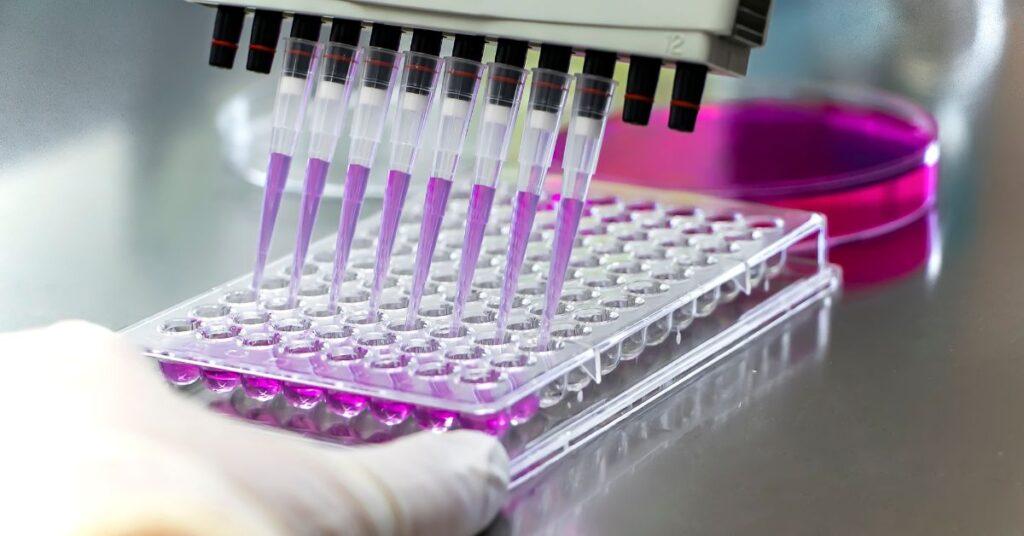
HPLC Purity Testing
High Performance Liquid Chromatography (HPLC) is used to evaluate peptide purity and confirm analytical specifications before batch approval.
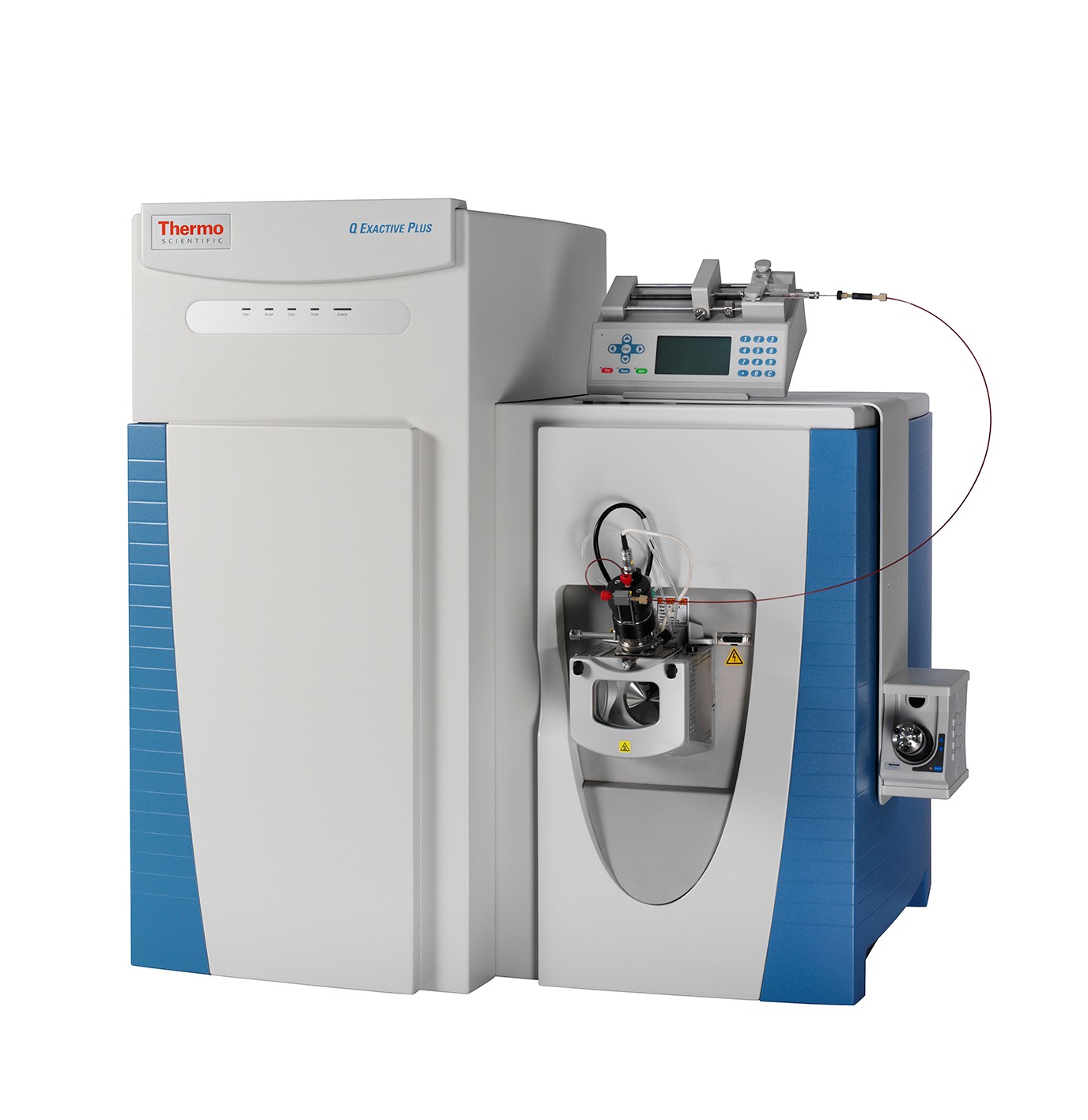
Mass Spectrometry
Mass spectrometry helps verify molecular identity and supports confirmation of peptide composition during quality control.

Identity Verification
Analytical identity testing helps confirm that each peptide corresponds to its documented manufacturing specifications.
Comprehensive Quality Control Process
Every production batch follows a structured quality control workflow designed to support consistency, analytical accuracy, and comprehensive laboratory documentation before release.
Sample Collection
Representative samples are collected from each production batch for laboratory evaluation and analytical testing.
Purity Analysis
High Performance Liquid Chromatography (HPLC) is used to evaluate peptide purity and compare analytical results against established specifications.
Identity Confirmation
Analytical verification helps confirm peptide identity and supports batch consistency throughout production.
Quality Review
Laboratory data, batch documentation, and analytical results are reviewed before a Certificate of Analysis (COA) is prepared.
Modern Laboratory Technology
Europe Peptide Labs works with advanced laboratory equipment and documented quality systems to support analytical testing and manufacturing consistency.

Certificate of Analysis (COA)
Each production batch is accompanied by a Certificate of Analysis containing batch-specific analytical information and quality documentation.

Transparent Laboratory Documentation
The Certificate of Analysis provides detailed batch information including product identification, batch number, analytical testing methods, purity results, and testing dates. This documentation supports traceability and transparency throughout the manufacturing process.
Batch-specific quality documentation allows researchers to review analytical testing information associated with individual production batches.
Analytical Testing Overview
| Testing Method | Purpose |
|---|---|
| HPLC Analysis | Evaluation of peptide purity and analytical specifications. |
| Mass Spectrometry | Verification of molecular identity and composition. |
| Identity Verification | Confirmation of peptide identity and manufacturing specifications. |
| Batch Documentation | Production records, traceability, and quality documentation. |
| Certificate of Analysis (COA) | Batch-specific laboratory report supporting transparency and quality assurance. |
Frequently Asked Questions
Why is HPLC testing important?
HPLC analysis helps evaluate peptide purity and supports analytical quality verification before products are released.
What is included in a Certificate of Analysis?
A COA typically includes the product name, batch number, analytical testing information, purity results, and production documentation.
Why is batch traceability important?
Batch traceability helps maintain manufacturing records and quality documentation for every production batch.
Trusted Laboratory Testing for Research Peptides
Europe Peptide Labs is committed to comprehensive analytical testing, laboratory quality control, Certificate of Analysis documentation, and transparent manufacturing practices to support high-quality research peptides.
Contact Europe Peptide Labs